Sustainable Farming Practices
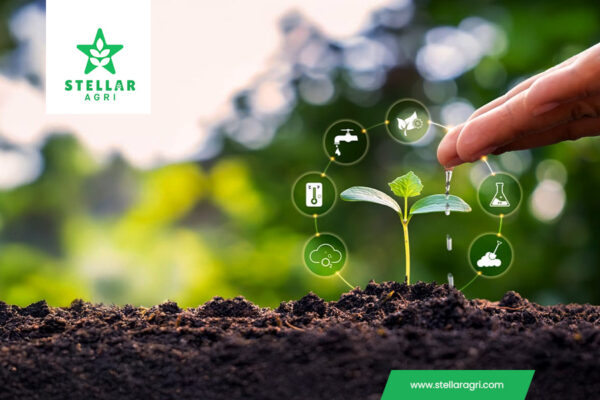
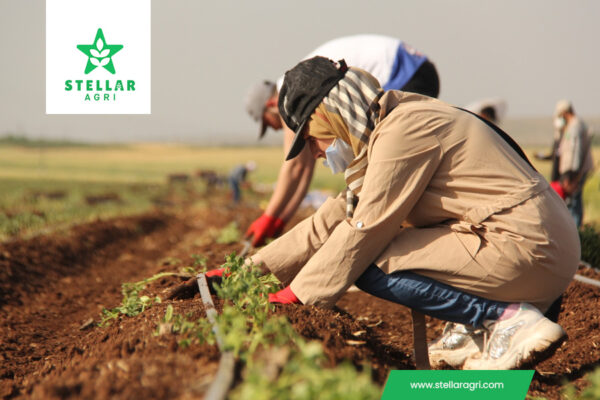
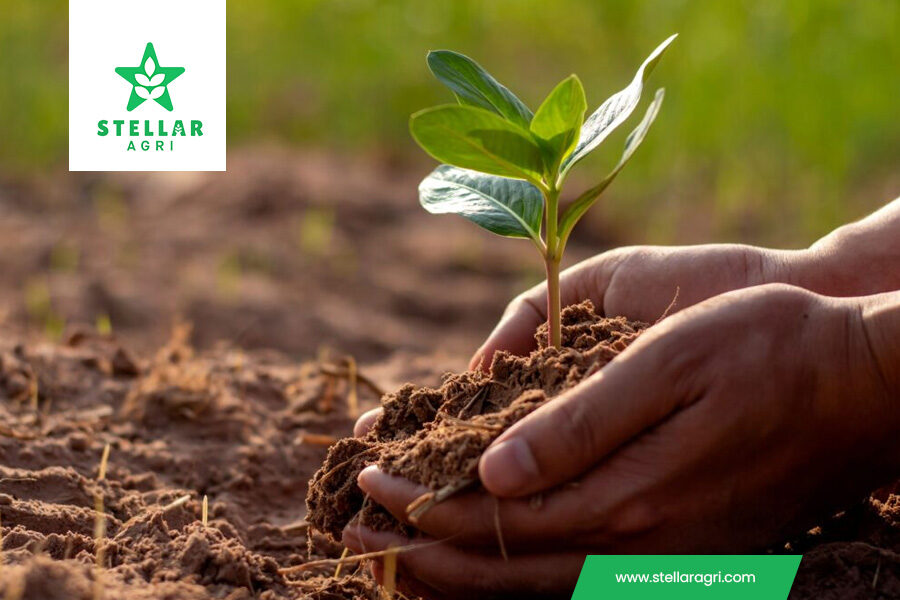
As global agriculture faces increasing challenges such as climate change, soil degradation, pest resistance, and growing food demand, sustainable farming practices have become essential for long-term agricultural success. Sustainable farming focuses on producing healthy crops while protecting natural resources, improving soil fertility, and maintaining environmental balance.
By adopting innovative agricultural technologies and responsible farming methods, growers can increase productivity while ensuring the sustainability of their land for future generations.
What Are Sustainable Farming Practices?
Sustainable farming practices are agricultural methods designed to meet current food production needs without compromising the ability of future generations to meet theirs. These practices aim to balance economic profitability, environmental stewardship, and social responsibility.
Key objectives include:
- Improving crop productivity
- Maintaining soil health
- Conserving water resources
- Reducing environmental impact
- Enhancing biodiversity
- Promoting long-term farm profitability
The Importance of Crop Protection in Sustainable Agriculture
Effective crop protection is a critical component of sustainable farming. Farmers face constant threats from insects, diseases, and weeds that can significantly reduce yields and crop quality.
Modern sustainable agriculture combines multiple crop protection strategies, including:
- Chemical Pesticides
When used responsibly and according to recommended guidelines, chemical pesticides help protect crops from severe infestations and disease outbreaks.
- Biological Pesticides
Biological solutions utilize natural organisms and active ingredients to manage pests while minimizing environmental impact.
- Integrated Pest Management (IPM)
IPM combines monitoring, prevention, biological control, and targeted pesticide applications to achieve effective and sustainable pest control.
Enhancing Soil Health Through Plant Nutrition
Healthy soil is the foundation of productive agriculture. Sustainable farming emphasizes balanced nutrition programs that improve soil fertility and plant performance.
- Biological Nutrition
Biological nutrition products support beneficial microbial activity, improve nutrient availability, and enhance root development.
- Chemical Nutrition
Modern plant nutrition solutions provide essential macro and micronutrients that support vigorous plant growth and higher yields.
A balanced nutrition strategy helps crops become more resilient to environmental stress while maximizing productivity.
Smart Pest Monitoring Technologies
Early detection plays an important role in reducing crop losses and minimizing unnecessary pesticide applications.
- Pheromone Products
Pheromone traps help monitor insect populations and identify pest pressure before significant damage occurs.
- Light & Sticky Traps
These monitoring tools provide valuable field data, allowing growers to make informed pest management decisions.
By utilizing monitoring technologies, farmers can optimize pest control programs and support more sustainable agricultural practices.
Increasing Productivity with Modern Agricultural Solutions
Agricultural productivity can be improved through a combination of innovative technologies, proper crop nutrition, and effective pest management.
Productivity enhancement solutions help farmers:
- Improve plant vigor
- Increase crop quality
- Enhance stress tolerance
- Optimize nutrient uptake
- Achieve higher yields
These benefits contribute to better farm profitability and more efficient resource utilization.
Benefits of Sustainable Farming Practices
Farmers who implement sustainable agricultural practices often experience several long-term advantages:
- Higher crop productivity
- Improved soil health
- Reduced environmental impact
- Better water management
- Lower pest resistance risks
- Enhanced crop quality
- Increased profitability
- Greater resilience to climate challenges
The Future of Sustainable Agriculture
The future of agriculture depends on adopting innovative solutions that balance productivity and environmental responsibility. Sustainable farming practices, combined with advanced crop protection, plant nutrition, biological technologies, and monitoring systems, will continue to play a vital role in feeding a growing global population.
By investing in sustainable agriculture today, farmers can create healthier crops, stronger harvests, and a more resilient agricultural future.
Conclusion
Sustainable farming practices are no longer just an option—they are a necessity for modern agriculture. Through responsible crop protection, balanced plant nutrition, integrated pest management, and innovative agricultural technologies, growers can achieve long-term productivity while preserving valuable natural resources.
Organizations that support sustainable farming are helping shape a future where agriculture remains productive, profitable, and environmentally responsible for generations to come.